Introduction: The “Off-Label” Reality Check
For a brief window in 2022-2023, Mounjaro® was the secret weapon for weight loss. It was stronger than Ozempic and often easier to get.
The 2025 Reality: That window has closed.
Now that Eli Lilly has released Zepbound® (the official weight-loss version of Mounjaro), insurance companies have restricted Mounjaro to Type 2 Diabetes patients only. If you do not have diabetes, your insurance will likely deny Mounjaro, leaving you with a $1,100 monthly bill.
The Verdict:
- Choose Mounjaro® if: You have a diagnosed Type 2 Diabetes condition. Your insurance will likely cover it with a low copay (e.g., $25).
- Choose Medvi if you do not have diabetes but want the weight-loss power of Tirzepatide. Medvi provides the same active ingredient for ~$399/mo, saving you over $700/mo compared to the cash price of Mounjaro.
Quick Comparison: At a Glance
| Feature | Mounjaro® (Eli Lilly) | Medvi (Compounded) |
| Active Ingredient | Tirzepatide | Tirzepatide |
| FDA Approval | Yes (For Type 2 Diabetes) | Ingredient Only |
| Primary Indication | Blood Sugar Control | Weight Loss |
| Cash Price | $1,069 – $1,200+ | ~$399 – $499 |
| Insurance Coverage | Excellent (For Diabetes Only) | None (HSA/FSA Accepted) |
| Accessibility | Strict “Diagnosis” Gatekeeping | Open to Eligible Adults |
1. What Is Mounjaro?
Mounjaro® is a brand-name injectable prescription medicine manufactured by Eli Lilly (not Novo Nordisk). It was the first “dual agonist” drug, targeting both GLP-1 and GIP receptors.
While it causes massive weight loss as a side effect, its FDA approval is strictly for improving blood sugar (glycemic control) in adults with Type 2 Diabetes. Because of this, it lives on a different “tier” of your insurance formulary than weight loss drugs.
2. What Is Medvi?
Medvi is a telehealth service that prescribes Compounded Tirzepatide.
Since Medvi operates outside the insurance system, it is not bound by “diagnosis codes.” If you have a high BMI (Obesity) but not diabetes, Medvi clinicians can legally prescribe Tirzepatide for weight management. They source the medication from 503B compounding pharmacies, which mix the generic active ingredient into vials for direct shipment to patients.
3. Medication Comparison: Is It The Same Drug?
Yes. Both medications rely on the same molecule: Tirzepatide.
Mechanism of Action
Tirzepatide is a powerhouse because it mimics two hormones:
- GLP-1: Reduces appetite and slows digestion.
- GIP: Enhances how your body breaks down sugar and fat. Result: In clinical trials, Tirzepatide users lost up to 22.5% of their body weight, significantly outperforming Ozempic/Wegovy (~15%).
The Formulation Difference
- Mounjaro: Comes in a single-use “SureClick” auto-injector pen. You never see the needle.
- Medvi: Comes in a glass vial. You must use a standard insulin syringe to draw up your weekly dose.
- Bioavailability: As long as Medvi’s pharmacy partners (such as Hallandale or Red Rock) adhere to 503B sterility standards, bioavailability is comparable to that of the brand-name product.
4. The “Off-Label” Trap: Why Mounjaro Is Hard to Get
Many patients ask their doctor: “Can you just write me a script for Mounjaro?”
The doctor can write it, but the pharmacy likely won’t fill it—at least not for a price you want to pay.
The “Zepbound Effect”
Since Eli Lilly launched Zepbound (the same drug, but labeled for weight loss), insurance companies now automatically reject Mounjaro claims that don’t have a matching “Type 2 Diabetes” diagnosis code (ICD-10 code E11.9).
- Old Way (2023): You could sometimes sneak Mounjaro through for “Pre-diabetes” or “Metabolic Syndrome.”
- New Way (2025): That door is shut. If you don’t have diabetes, you must switch to Zepbound or pay cash.
5. Cost Comparison: The $700 Gap
If you don’t have diabetes, Mounjaro is arguably the most expensive option on the market because you cannot use the “Savings Card” (which requires a diabetes diagnosis confirmation).
Mounjaro Cash Price
- Retail Price: ~$1,069 – $1,200 per month at CVS/Walgreens.
- Savings Card: Only works if you have commercial insurance that covers the drug. If denied, the discount is minimal.
Medvi Price
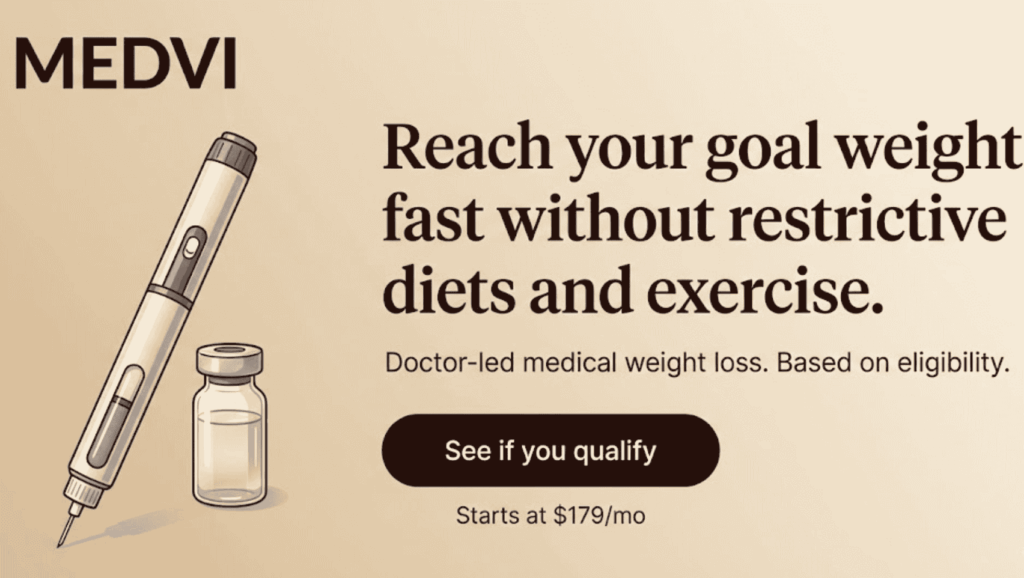
- Month 1: ~$279 (Intro Offer).
- Month 2+: ~$399 – $499 (Renewal Cap).
The Math: For a non-diabetic patient, Medvi costs $4,800/year vs. Mounjaro’s $13,000/year.
6. Insurance Coverage: The “Formulary” Wall
Insurance formularies (the list of covered drugs) are split into two buckets:
- Diabetes Drugs: Mounjaro is here. Coverage is standard and generous.
- Anti-Obesity Drugs: Zepbound/Wegovy are here. Coverage is rare (only ~20-30% of plans offer it).
The Medvi Advantage:
Medvi bypasses this entire system. You don’t need to check your formulary or beg for a Prior Authorization. It is a simple cash transaction, reimbursable via HSA/FSA accounts.
7. Effectiveness & Weight Loss Results
Because both use Tirzepatide, the efficacy is identical.
- Weight Loss: Expect to lose 15-20% of body weight over 72 weeks.
- A1C Reduction: If you do have blood sugar issues (pre-diabetes), both versions will drastically lower your A1C, though Medvi cannot legally market its product for diabetes treatment.
Real User Experience:
Medvi users frequently report breaking “stalls” they experienced on Semaglutide (Ozempic). The addition of the GIP hormone in Tirzepatide seems to keep the metabolic fire burning longer.
8. Side Effects Profile
Common side effects for both include:
- Nausea: 10-20% of patients.
- Indigestion/Burping: “Sulfur burps” are a known Tirzepatide quirk.
- Fatigue: Common in the first month.
Safety Note: Do not use either drug if you have a family history of Medullary Thyroid Cancer (MTC). Medvi’s intake form screens for this strictly.
9. Prescription Process Comparison
Getting Mounjaro:
- Doctor visit (copay).
- Lab work (A1C test).
- Prior Authorization submission.
- Denial (if no diabetes).
- Pharmacy hunt (Mounjaro faces intermittent shortages for 10mg/12.5mg pens).
Getting Medvi:
- Online intake (no lab work usually required for healthy adults).
- Clinician review (24 hours).
- Pharmacy ships via FedEx/UPS Overnight.
- No shortages: Compounding pharmacies make supplies to order.
10. Pros & Cons Detailed
Mounjaro Pros
- The “Pen”: The auto-injector is painless and foolproof.
- Insurance Gold: If you have diabetes, it is the cheapest option ($25/mo).
- Brand Trust: Manufactured by Eli Lilly.
Mounjaro Cons
- Gatekeeping: impossible to get covered for weight loss alone.
- Retail Price: Exorbitant for cash-pay patients.
- Shortages: Frequent out-of-stock issues at retail pharmacies.
Medvi Pros
- Access: Open to anyone with a qualifying BMI (30+, or 27+ with issues).
- Price: The most affordable way to get Tirzepatide without insurance.
- Supply: Consistent stock of all doses (2.5mg – 15mg).
Medvi Cons
- Vials: Requires using a syringe (less convenient than a pen).
- No Insurance: You pay the full ~$399/mo yourself.
11. Final Verdict: Which Is Better?
This decision tree is simple:
- Scenario A: You have Type 2 Diabetes.
- Winner: Mounjaro. Use your insurance. It will cost you pennies compared to Medvi.
- Scenario B: You want weight loss but have no diabetes.
Winner: Medvi.
- Asking for Mounjaro will lead to insurance denial.
- Buying Mounjaro cash costs ~$1,100/mo.
- Medvi provides the same Tirzepatide for ~$399/mo.
Scenario C: You want “Name Brand” Weight Loss.
- Winner: Zepbound. Ask your doctor for Zepbound, not Mounjaro. If you have to pay cash, use the LillyDirect vials ($399 for starter doses), then switch to Medvi for high doses to save money.
Check Medvi Eligibility & Pricing
Compare MedVi
Not sure which provider is right for you? See our detailed head-to-head breakdowns of MedVi versus the competition.
Direct Meds
LillyDirect
Mochi Health
Remedy Meds
Wegovy
Ro
Hers
Mounjaro
Zepbound
Ozempic
Noom
Brello
Willow
Shed
