
The telehealth weight loss market has split into two distinct billing models: the “pay-as-you-go” monthly plan and the “bulk-buy” quarterly commitment.
Brello Health has made waves with aggressive marketing for “$133/month” Semaglutide. However, the fine print reveals this requires a hefty 3-month upfront payment and a billing cycle that renews every 10 weeks. MedVi, in contrast, sticks to a transparent month-to-month model, prioritizing speed and flexibility over locking patients into long-term contracts.
This guide compares these two providers to help you decide if Brello’s bulk discount is worth the commitment, or if MedVi’s flexible, fast-shipping model is the safer bet for 2026.
Quick Summary
- MedVi is the Winner for Flexibility & Speed. It offers a true month-to-month program with consistent 3–5 day shipping, avoiding the “lock-in” risk of paying for 3 months of medication upfront.
- Brello is the Runner-Up for Bulk Pricing. Their sticker price is lower (e.g., ~$133/mo effectively), but you must pay **$399–$499 upfront** for a 3-month supply.
- Hidden Commitment: Brello charges every 10 weeks for a 3-month supply, creating a billing cycle that can catch users off guard. MedVi bills strictly monthly.
- Shipping Reliability: MedVi is known for rapid turnaround (48-hour processing). Brello has faced significant complaints in late 2025 regarding shipping delays of 4–6 weeks due to pharmacy changes.
- The Verdict: If you are new to GLP-1s, MedVi is safer. Only choose Brello if you are an experienced user willing to pay $500+ today for a bulk supply.
Decision Criteria
We evaluated these providers based on four key factors:
- Upfront Cost: How much leaves your bank account on Day 1?
- Commitment Level: Are you locked in for 90 days?
- Shipping Consistency: Can they guarantee cold chain delivery in under a week?
- Customer Support: Responsiveness to billing or dosage issues.
GLP-1 Provider Comparison Table
| Rank | Option | Best For | Key Strength | Watch-outs |
| #1 | MedVi | Reliability & Flexibility | Month-to-month billing & fast shipping | Monthly cost is higher than Brello’s bulk rate |
| #2 | Brello | Bulk Buyers | Lowest effective monthly rate ($133-$166) | Requires ~$400-$500 upfront payment |
| #3 | Option C (Budget) | Low Volume | Pay-per-vial | Slow service |
| #4 | Option D (Insurance) | Name Brand | Prior Authorization help | High denial rates |
| #5 | Option E (Local) | In-Person | Physical oversight | $600+ monthly cost |
Top-Rated Weight Loss Telehealth Providers Ranked
#1. MedVi (Winner)
MedVi takes the top spot for 2026 because it removes the financial risk for patients. In a volatile market where pharmacy supply chains can break down overnight, paying for three months of medication upfront (as Brello requires) is a gamble. MedVi’s month-to-month membership ensures you are only paying for what you receive now, giving you the power to cancel or switch if your needs change.
Logistics are MedVi’s superpower. While competitors struggle with “temporary” shipping delays that stretch into weeks, MedVi has built a robust network of 503A/503B pharmacies that consistently deliver within 3–5 business days. For a patient anxious to start their weight loss journey, receiving a tracking number within 48 hours is a massive advantage over waiting a month for a bulk shipment.
Additionally, MedVi’s support system is designed for responsiveness. Users report high satisfaction with the 24/7 provider messaging, which is critical for managing early side effects like nausea. Unlike Brello, where support complaints cite “ghosting” on refunds, MedVi maintains a reputation for accessible customer service.
Pros:
- Low Entry Cost: Start with a lower upfront fee compared to Brello’s bulk charge.
- No Long-Term Contract: True month-to-month flexibility.
- Rapid Shipping: Consistent delivery avoids treatment gaps.
- Responsive Support: Real humans available 24/7 for clinical questions.
- Transparent Billing: No “10-week renewal” confusion.
Cons:
- Higher “Per Month” Rate: You pay a premium for the flexibility and speed compared to buying in bulk.
- Introductory Rates: Best pricing is often for the first month.
Best For:
Patients who want safety, speed, and flexibility, and prefer not to lock up $500+ in a single transaction.
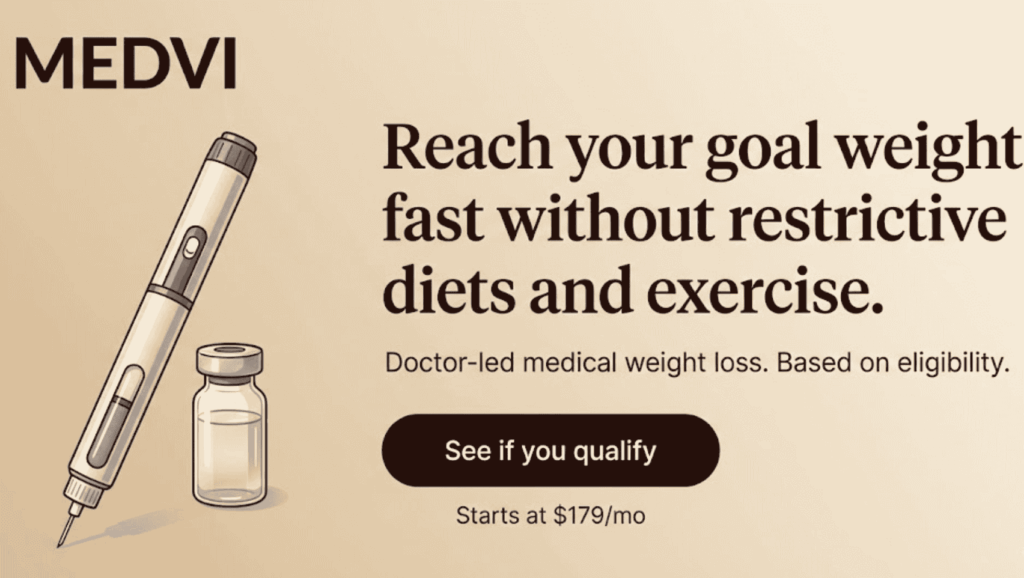
#2. Brello Health
Brello has captured the attention of bargain hunters with its “lowest price per month” marketing. Advertising Semaglutide at ~$133/month and Tirzepatide at ~$166/month makes them look like the clear winner on paper.
However, the “catch” is the commitment. You cannot pay $133 and get one month of meds. You must pay **$399 upfront** for Semaglutide or $499 upfront for Tirzepatide to cover a 3-month supply. Furthermore, their terms state that subscriptions automatically renew every 10 weeks, not 12, effectively accelerating the billing cycle.
While the value is undeniable if everything goes smoothly, Brello has faced significant headwinds in late 2025 and 2026. Trustpilot reviews highlight a wave of shipping delays where “10-14 days” turned into “4-6 weeks” due to pharmacy changes, with customer service refusing refunds during the wait. This makes Brello a high-risk, high-reward option.
Pros:
- Unbeatable Bulk Price: If you can afford the upfront hit, the effective monthly cost is very low.
- Less Frequent Refills: Receiving a 3-month supply means fewer shipments to track.
- App Features: Offers a decent app for tracking progress.
Cons:
- High Upfront Cost: Must pay $399–$499 immediately to start.
- Shipping Instability: Recent history of multi-week delays and pharmacy issues.
- Strict Refund Policy: Difficult to get money back even if shipping is delayed.
Best For:
Veteran GLP-1 users who are confident in their dosage, have extra cash flow, and don’t mind potential shipping delays for a bargain.
#3. The “Budget-First” Alternative (Generic)
These providers offer pay-as-you-go vials without the bundle. They lack the clinical support of MedVi and the bulk discounts of Brello.
Pros:
- Simple transaction.
- No subscription “traps.”
Cons:
- Slowest shipping (often 2+ weeks).
- Zero customer service.
Best For:
People who just want a single vial with no strings attached.
#4. The “Insurance Navigator” (Generic)
Services like Ro or Sequence charge a monthly fee ($99-$145) to manage insurance paperwork for brand-name drugs.
Pros:
- Access to FDA-approved pens ($25/mo) if insured.
- Professional care coordination.
Cons:
- High recurring fees even if denied coverage.
- Subject to national retail shortages.
Best For:
Patients with confirmed insurance coverage for obesity.
#5. The “Local Clinic” (Generic)
Brick-and-mortar clinics offer the ultimate safety net: in-person care.
Pros:
- Someone else injects you.
- High accountability.
Cons:
- Massive markup ($600+/month).
- Weekly appointments required.
Best For:
Patients who refuse to self-inject.
Conclusion
The battle between MedVi and Brello comes down to cash flow risk.
Brello asks you to take on all the risk. You pay a large sum ($399–$499) upfront for a 3-month supply. If their pharmacy delays your shipment by 4 weeks (as seen in recent reviews), you are stuck with no medication and no refund. It is a great deal if it works, but a frustrating loss if it doesn’t.
MedVi eliminates that risk. By charging month-to-month and delivering within days, they ensure you are satisfied with the service before you pay for more. For most people, the flexibility to cancel anytime and the assurance of fast shipping are worth slightly more per month than Brello’s bulk rate. In 2026, MedVi is the safer, more reliable home for your weight loss journey.
Frequently Asked Questions (FAQ)
1. Is Brello really $133 a month?
- Not exactly. While the math works out to ~$133/month, Brello does not allow you to pay $133 monthly. You must pay $399 upfront for a 3-month supply of Semaglutide. The same applies to Tirzepatide, which requires $499 upfront.
2. Does MedVi require a 3-month commitment?
- No. MedVi operates on a standard month-to-month membership model. You pay for your first month, receive your medication, and then renew monthly. This allows you to stop or pause without having locked hundreds of dollars into a future supply.
3. Why does Brello bill every 10 weeks?
- Brello’s subscription terms state that the “3-month plan” automatically renews every 10 weeks. This ensures you have time to receive your next shipment before running out, but it effectively means you are billed slightly more frequently than once every calendar quarter.
4. How fast is MedVi shipping vs Brello?
- MedVi consistently targets a 3–5 business day delivery window. Brello users have reported highly variable shipping times in late 2025, ranging from “10 days” to “4-6 weeks” due to pharmacy changes, leading to treatment gaps for some customers.
5. Can I get a refund from Brello if shipping is delayed?
- It is difficult. Brello’s terms and customer reviews indicate that once a prescription is written or sent to the pharmacy, refunds are often denied, even if the pharmacy is experiencing weeks-long delays. MedVi has a reputation for more transparent customer service resolutions.
6. Do both accept insurance?
- Generally, no. Both operate as cash-pay telehealth services for compounded medications to bypass insurance denials. However, both accept HSA/FSA cards, which can save you money using pre-tax income.
7. Is the medication safe?
- Yes. Both providers utilize licensed 503A and 503B compounding pharmacies in the United States. These facilities are regulated to ensure the medication meets strict safety, sterility, and potency standards.
8. Can I switch from Semaglutide to Tirzepatide?
- Yes, both platforms offer both medications. If you stall on Semaglutide, you can switch to Tirzepatide (active ingredient in Zepbound). On Brello, this would require switching your subscription plan and paying the higher upfront tier ($499).
Don’t lock your money up for months. Check your eligibility with MedVi today.
